
Buyer's guide
Should retailers stock eau de parfum or eau de toilette?
The right mix depends on the fragrances your customers look for and the space you have to hold them. Start with the difference between the strengths, then choose sizes and write listings that match the product.
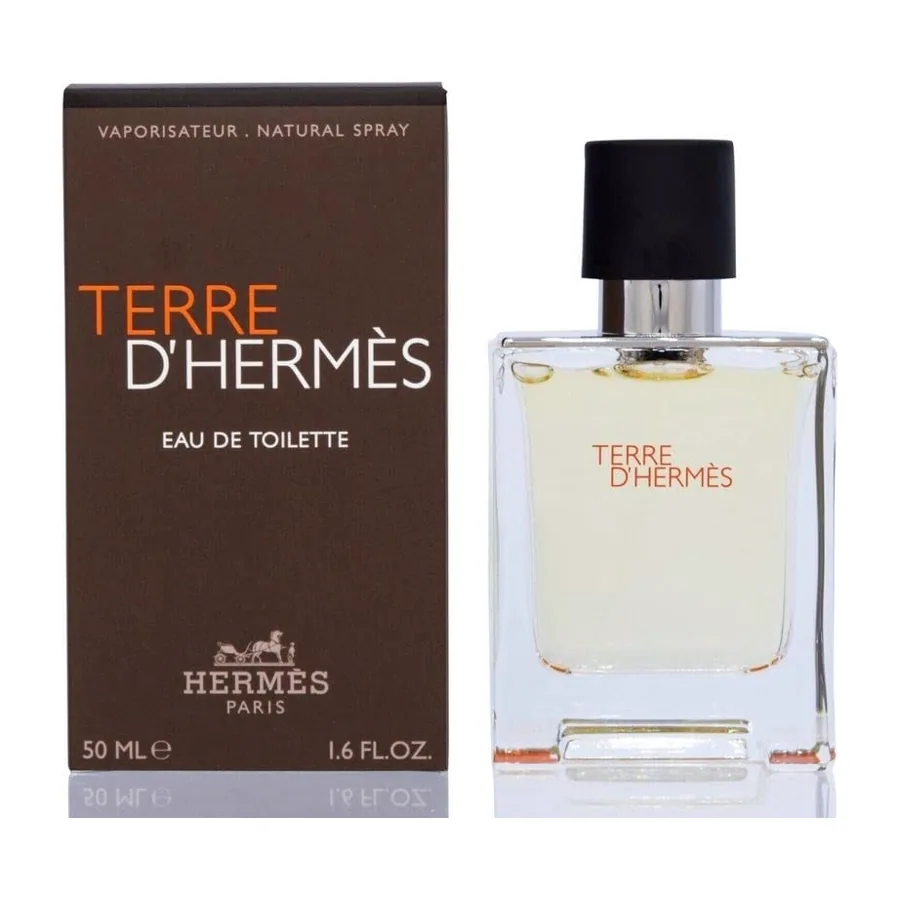
What is the practical difference between eau de parfum and eau de toilette?
Eau de parfum is generally formulated at a higher fragrance concentration than eau de toilette, but the name alone does not tell a customer exactly how long a fragrance will last. The scent itself, its formulation and how it is worn also matter. For a retailer, the practical difference is that the strength is part of the product’s identity: customers may ask for a particular fragrance as an eau de parfum or as an eau de toilette, rather than treating the two as interchangeable.
Compare the exact products available to you, not just the words on the box. An eau de parfum and an eau de toilette bearing the same fragrance name should be kept distinct in your stock records and on the shelf. Avoid promising that one will suit everyone who wants a longer-lasting scent, or assuming that an eau de toilette is simply a weaker version with an otherwise identical smell. Where a customer has a specific product in mind, the strength printed on its packaging is the useful answer.
At Sterling Trading Group, an independent wholesaler in Hayes, West London, our range has more eau de parfum lines than eau de toilette lines. It also includes Parfum, Eau de Cologne, Body Mist and Deodorant Spray. That breadth matters when planning a fragrance section: the choice is not always confined to two strengths, and a product labelled Eau de Cologne should not be placed under eau de toilette for convenience.
Which sells better: eau de parfum or eau de toilette?
Neither strength is automatically the better choice for every reseller. Start with the customers your shop or online business serves, then look at the exact fragrances and strengths you can offer them. A customer replacing a familiar bottle may want its precise strength. Someone choosing a gift may need the product name, bottle size and strength to match a request. In both cases, having the right version is more useful than treating all bottles of a fragrance as substitutes.
For a first selection, consider whether your customers tend to arrive with a named product in mind or ask to compare options. If they ask for specific products, prioritise accurate matches. If they browse, a clearly labelled choice of strengths can help them distinguish the options without asking staff to make claims about performance that the packaging does not support. An independent shop, pharmacy, salon, market trader and online seller may each need a different mix.
Our range covers fragrances for women, men and unisex wearers, with women’s lines first by range breadth, followed by men’s and unisex lines. Use those categories to organise a buying list if they fit your customers, but do not let them replace the product name and strength. Choose the products you can present clearly and keep distinct, rather than deciding that every fragrance must be stocked in both forms.
Which bottle sizes should a shop hold?
Start with sizes that give customers a clear choice without filling space with near-duplicates. In our range, 100ml is the most widely represented size, followed by 50ml and 30ml; the range also includes 200ml, 75ml and 150ml. That is our experience of the range we hold, not a rule that every shop should follow. Check the sizes available for each product before deciding how many options of a particular fragrance to carry.
A useful way to plan is to give each size a purpose in your assortment. A smaller bottle can offer an alternative where a customer does not want the larger format, while a larger bottle may suit someone looking for that exact presentation. Stock the sizes your customers can identify and compare, rather than assuming a fragrance comes in a standard set of bottles. If shelf space is tight, carrying several distinct fragrances may be more useful to your shop than carrying every available size of one.
Size matters beyond eau de parfum and eau de toilette. For example, our listed Eau de Cologne products include 4711 Original Eau de Cologne 100ml and 4711 Original Eau de Cologne 200ml, as well as 4711 Eau de Cologne Spray 400ml and 4711 Eau de Cologne Spray 800ml. Those names show why the full product description matters: the strength, size and whether the product is described as a spray should travel together when you compare stock or prepare a listing.
Does the strength change how a fragrance should be listed?
Yes. List eau de parfum and eau de toilette as distinct product versions, using the strength and size shown on each product’s retail packaging. Put the distinction where a buyer will see it in the product title and details, not only in a filter or a photograph. If you offer more than one version of a named fragrance, check that each listing’s title, images and selected variation refer to the same item.
Do not shorten Eau de Cologne to eau de toilette, or describe Parfum, Body Mist or Deodorant Spray as eau de parfum. Use the exact product name when distinguishing formats: 4711 Acqua Colonia Yuzu & Cedarwood Eau de Cologne 100ml, for instance, is an Eau de Cologne listing. A strength filter can help a buyer narrow a selection, but it should reflect the product rather than substitute for its name.
Every line we supply is the brand’s own product in retail packaging and is batch-coded. When writing your own listings, describe the product you have and its packaging accurately; do not imply an authorised-distributor relationship. That care helps customers select the intended bottle and helps you match an order to the correct stock.
Ready to see trade prices?
Apply for a trade account — two minutes, no documents — and every price on the site appears once you're approved, usually within two working days.
Published 09 October 2026. This guide describes how Sterling Trading Group works and our understanding of the UK trade; it is general information, not legal or financial advice.
Other guides
- How fragrance wholesale works for independent UK retailersWho sells fragrance wholesale in the UK, why an independent wholesaler can supply a small shop when the brand won't, what the stock is, and how an order works from application to delivery.
- Minimum order, trade prices and margins: what to expectWhether there is a minimum order, what a trade price means ex VAT, a worked margin on a bottle, what sells for an independent, and what delivery and payment look like.
- Genuine or grey market? How to check the fragrance you're buyingThe difference between parallel stock, decoded or diverted stock and counterfeits, and four checks - batch code, price, seller, packaging - before you buy fragrance wholesale.
- Opening a trade account: what we ask for and whyWho can open a trade account, what the application form asks and why, what happens next, and what we do with your details.
- Which designer fragrances should I stock for eBay UK?A buyer’s guide to choosing fragrance lines, writing accurate eBay listings, selecting sizes and strengths, and avoiding common fulfilment mistakes.
- What designer fragrance should I stock for TikTok Shop UK?A practical guide to choosing genuine designer fragrance, checking TikTok Shop requirements and planning stock before filming and selling.
- Which designer fragrances should a UK retailer list on Temu?A guide to choosing wholesale fragrance for Temu, preparing accurate listings and putting together a manageable first order as a UK seller.
- How do I get approved to list a fragrance brand on a marketplace?A guide to fragrance brand approval, the supplier paperwork marketplaces may request, and what to check before buying stock for an application.
- How can a retailer check if a designer fragrance is genuine?How to check a fragrance bottle, understand its batch code, respond to a customer complaint and prepare evidence for a marketplace challenge.
- When should UK retailers buy Christmas fragrance stock?A practical guide to when to order Christmas fragrance stock, which lines to consider for gifts, how much to commit and what to do with stock left over.
- How should retailers buy and sell fragrance gift sets?A practical guide to choosing fragrance gift sets, planning purchases around gifting occasions and checking listings before you offer them for sale.
- What should a seller do when a buyer says a parcel never arrived?A practical guide to handling non-delivery claims, keeping useful dispatch evidence, preventing avoidable disputes and deciding when to refund.
- How should UK retailers post perfume safely?A practical guide to carrier restrictions, protective packing, bottle sizes and responsibility when a fragrance parcel is damaged or refused.
- How can UK retailers buy men’s fragrance wholesale?A guide to the men’s fragrance houses, sizes and strengths available from Sterling Trading Group, and how UK trade orders work.
- What should UK retailers know before buying makeup wholesale?A practical guide to the makeup, houses and product sizes in our range, and to placing a trade order for resale in the UK.
- Where can a UK shop or online seller buy perfume stock?A practical guide to perfume wholesalers, new-account terms, available brands and choosing a first order for a UK retail business.
- How do you start a perfume resale business in the UK?A practical guide to setting up a UK fragrance resale business, choosing an opening range, planning stock and deciding where to list.
- How much fragrance stock should a reseller hold?A practical guide to choosing stock depth for each fragrance line, deciding when to replenish it and recognising when stock is tying up too much cash.
- How can a retailer sell fragrance steadily every month?A practical guide to building a manageable fragrance range, keeping listings useful and deciding what to replenish each month.
- How can UK retailers buy women's fragrance wholesale?A guide to choosing women's fragrance for resale in the UK, covering available houses, sizes and strengths, and how trade ordering works.
- How can UK retailers buy skincare wholesale to resell?A guide to the skincare lines, houses and sizes in Sterling Trading Group’s range, and how UK retailers can place a trade order.
- Which Charlotte Tilbury products can UK retailers buy wholesale?A guide to the Charlotte Tilbury lines listed by Sterling Trading Group, who they suit, which formats to consider and how UK trade orders work.
- Which Dior fragrances can UK retailers buy wholesale?A guide to the Dior lines Sterling Trading Group lists, choosing sizes for your shop and understanding its UK trade ordering and delivery terms.
- Which Lattafa fragrances can UK retailers buy wholesale?A guide to the Lattafa lines listed by Sterling Trading Group, how to choose sizes and strengths, and what UK retailers need to know before ordering.
- Buying Rituals wholesale in the UK: what should retailers stock?A guide to the Rituals lines we list, the shops and selling formats they suit, how to choose a first range, and how UK trade ordering works.
- How can UK retailers buy haircare wholesale to resell?A guide to the haircare houses, product types and sizes in our range, and how UK retailers and online sellers can place a trade order.
- Which Medicube products can UK retailers buy wholesale?A guide to the Medicube lines listed by Sterling Trading Group, choosing a starting range and understanding UK trade ordering and delivery.
- How can UK retailers buy Victoria's Secret wholesale?A guide to the Victoria's Secret lines Sterling Trading Group lists, the formats available and how UK trade ordering and delivery work.
- How can UK retailers buy Yves Saint Laurent fragrance wholesale?A guide to the Yves Saint Laurent lines Sterling Trading Group lists, how to choose sizes and formats, and how UK trade ordering works.
- Which Tom Ford fragrances can UK retailers buy wholesale?A guide to the Tom Ford lines Sterling Trading Group lists, how to choose between sizes and strengths, and how trade ordering and delivery work.
- How can UK retailers buy deodorants and body products wholesale?A trade buyer’s guide to the deodorants and body lines, houses, sizes and strengths in our range, plus how ordering and UK delivery work.
- How can UK retailers buy Creed fragrance wholesale?A guide to the Creed lines Sterling Trading Group lists, the shops they may suit, which formats to consider first and how trade ordering works.
- How can UK retailers buy Carolina Herrera fragrance wholesale?A guide to the Carolina Herrera lines listed by Sterling Trading Group, who they may suit, which formats to consider and how trade orders work.
- Which Sol De Janeiro products can UK retailers buy wholesale?A guide to the Sol De Janeiro lines listed by Sterling Trading Group, with advice on formats, shop fit, ordering and marketplace paperwork.
- How can a UK retailer buy Paco Rabanne wholesale?A guide to the Paco Rabanne lines we list, choosing sizes and strengths for a retail range, and placing a trade order for a UK business.
- Which Calvin Klein fragrances can UK retailers buy wholesale?A guide to the Calvin Klein lines Sterling Trading Group lists, how to choose sizes and strengths, and what to expect when placing a trade order.
- How can UK retailers buy Gucci fragrance wholesale?A guide to the Gucci Bamboo and Bloom lines listed by Sterling Trading Group, how to choose sizes and strengths, and what to expect when ordering at trade.
- Where can UK retailers buy Afnan wholesale?A practical guide to Afnan wholesale for UK retailers, covering listed lines, customer groups, formats, order terms and delivery.
- Which Jean Paul Gaultier fragrances can UK retailers buy wholesale?A guide to Jean Paul Gaultier trade lines, choosing sizes and strengths for a retail range, and ordering from a UK wholesale supplier.
- How can UK retailers buy Acqua di Parma wholesale?A guide to the Acqua di Parma lines we list, choosing formats for your shop and understanding how a UK trade order works.
- How can UK retailers buy Molton Brown wholesale?A guide to the Molton Brown lines we list, choosing formats for your shop, and the ordering and paperwork terms for UK trade buyers.
- How can UK retailers buy Chanel fragrance wholesale?A guide to the Chanel lines Sterling Trading Group lists, choosing sizes and strengths for your shop, and the terms for placing a UK trade order.
- Which unisex fragrances can UK retailers buy wholesale?A buyer’s guide to the unisex fragrance houses, formats and ordering terms available to UK retailers and online sellers.
- Which CeraVe products can UK retailers buy wholesale?A guide to the CeraVe lines Sterling Trading Group lists, which retailers they may suit, how to choose formats and how trade orders work.
- Which Armaf fragrances can UK retailers buy wholesale?A practical guide to Armaf lines, sizes and formats for UK retailers, with ordering, delivery and paperwork information for trade buyers.
- Which Hugo Boss fragrances can UK retailers buy wholesale?A guide to the Hugo Boss lines Sterling Trading Group lists, how to choose sizes and strengths, and what UK retailers need to know before ordering.