
Buyer's guide
How can retailers check if designer fragrance is genuine?
A genuine-looking box is not proof on its own. Resellers need to check the product and its packaging, retain their purchase records, and respond carefully if authenticity is questioned.
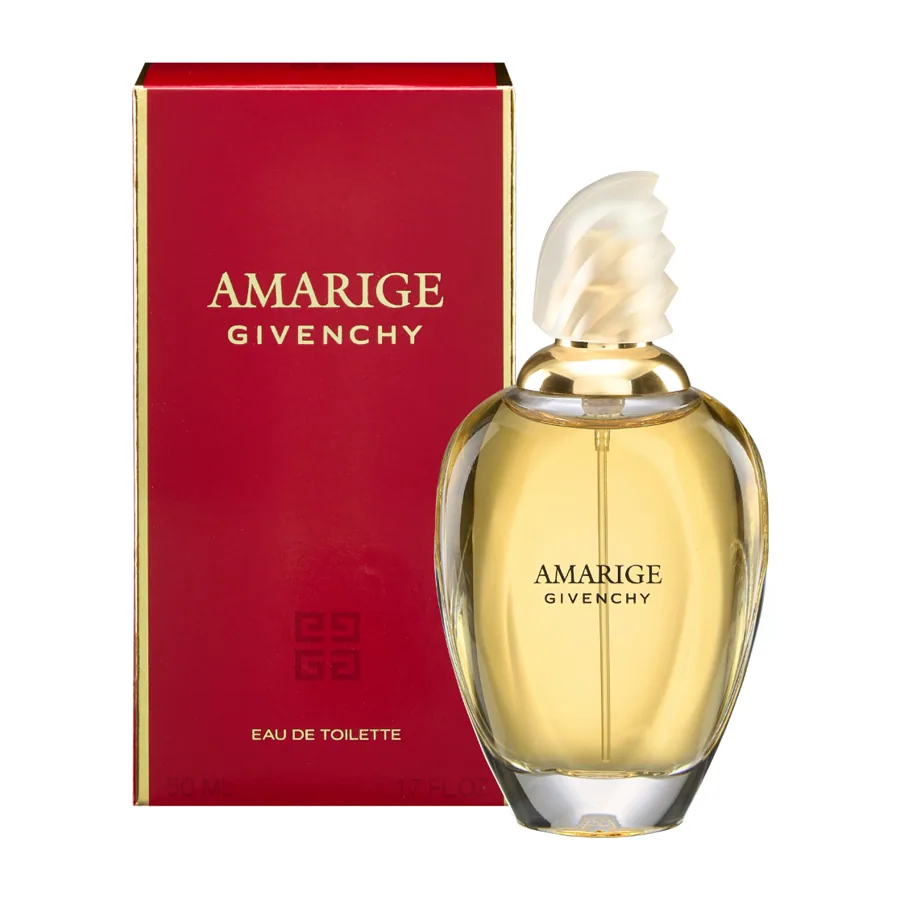
What actually tells a genuine bottle from a fake?
The strongest practical check is a consistent trail from your supplier’s invoice to the product in your hands, supported by a careful inspection of its retail packaging and bottle. No single feature settles the question: printing, a barcode, a batch code and the scent itself all need to be considered together.
Before listing stock, compare the house and product named on the invoice with the retail box and bottle. Check that the packaging is the brand’s own, that its printing and labels are clear and consistent, and that the bottle, cap and sprayer appear properly made and undamaged. Look for signs that a box has been opened, relabelled or tampered with. If you have a known genuine example of the same product, it can help you spot differences, but allow for legitimate changes in packaging between production runs.
At Sterling Trading Group, our experience starts with the goods and paperwork we handle. We buy from UK distributors. An order from us includes an invoice from a VAT-registered UK company naming each line, its house and the quantity. Every bottle comes in the brand’s own retail packaging with its batch code and barcode. That gives a reseller a record to check against the goods received; it does not mean a printed feature alone authenticates a bottle.
Keep the box with the bottle and retain your invoice. A barcode can help identify the product, but it can be copied. Likewise, a familiar-looking box should prompt a closer check, not end one. If a detail is wrong or the paperwork and goods do not agree, set that stock aside and ask your supplier to investigate before you list it.
What does a batch code prove, and what does it not?
A batch code is a traceability marking, not a certificate of authenticity. It gives you a detail to record and compare when you check a bottle, investigate a concern or contact your supplier.
Find the code on the bottle and check any corresponding marking on the retail packaging. Photograph it clearly while the product is still in your possession. If markings that should relate to the same product appear inconsistent, or a code is missing where you expected one, treat that as a reason to investigate. Do not assume that finding a code confirms the contents: counterfeit packaging can carry printed codes too.
Be equally cautious about making a judgement from an online batch-code checker. A result may be useful as a prompt for further questions, but it is not a substitute for checking the physical product and its supply records. Keep a note of exactly what you found rather than telling a customer that a code has conclusively proved or disproved authenticity.
What should a seller do when a customer says a bottle is fake?
Take the concern seriously, preserve the evidence and check the specific bottle against your purchase record before reaching a conclusion. A customer may have noticed a real discrepancy, but an unfamiliar box, a different-looking cap or a change in scent perception is not, by itself, a finding that the product is counterfeit.
Ask the customer for clear photographs of the box, bottle, batch code, barcode and the feature that concerns them. Request their order details so you can identify the item you supplied. Compare those images with any photographs you took before dispatch, the product description you used and the relevant supplier invoice. If the customer still has the box, ask them to keep it: separating packaging from the bottle can make the concern harder to investigate.
Record what you checked and what you told the customer. If you find a mismatch, or cannot account for a material discrepancy, contact your supplier with the images and invoice details. Consider setting aside other stock affected by the same concern while you investigate. Reply to the customer in plain terms: explain what you have verified, what remains under review and how you will resolve their complaint. Do not claim that an invoice or batch code is conclusive proof when it is not.
What does a marketplace want to see when it challenges a listing?
A marketplace will generally want evidence that you obtained the specific product from an identifiable supplier and that the item you listed matches your records. Follow the request it sends you: document requirements and submission methods can differ.
Prepare the relevant purchase invoice, clear photographs of the product in its retail packaging, and images showing its barcode and batch code. Make it easy to connect the house and line on the invoice to the listing and the goods photographed. Keep your original files so you can provide a clearer image if a document or marking is difficult to read. If you need to conceal unrelated commercial information, check the marketplace’s instructions first and leave the details needed to verify the relevant purchase visible.
An invoice from Sterling Trading Group identifies us as a VAT-registered UK supplier and names each line, its house and the quantity supplied. Our bottles arrive in the brand’s own retail packaging with their batch code and barcode. Those are useful records for an authenticity review, but supplier paperwork is not a brand authorisation letter. Sterling Trading Group is an independent wholesaler, not an authorised distributor of any brand, so do not describe our invoice as proof of brand authorisation.
Ready to see trade prices?
Apply for a trade account — two minutes, no documents — and every price on the site appears once you're approved, usually within one working day.
Published 29 September 2026. This guide describes how Sterling Trading Group works and our understanding of the UK trade; it is general information, not legal or financial advice.
Other guides
- How fragrance wholesale works for independent UK retailersWho sells fragrance wholesale in the UK, why an independent wholesaler can supply a small shop when the brand won't, what the stock is, and how an order works from application to delivery.
- Minimum orders, trade prices and margins: what to expectWhether there is a minimum order, what a trade price means ex VAT, a worked margin on a bottle, what sells for an independent, and what delivery and payment look like.
- Genuine or grey market? How to check the fragrance you're buyingThe difference between parallel stock, decoded or diverted stock and counterfeits, and four checks - batch code, price, seller, packaging - before you buy fragrance wholesale.
- Opening a trade account: what we ask for and whyWho can open a trade account, what the application form asks and why, what happens next, and what we do with your details.
- How should I sell designer fragrance on eBay UK?A practical guide to choosing genuine designer fragrance, writing accurate eBay UK listings, selecting formats and avoiding early errors.
- What designer fragrance should I sell on TikTok Shop?A practical guide to choosing, checking and holding genuine designer fragrance for TikTok Shop listings, videos and live selling.
- What designer fragrances should I list on Temu UK?A practical buying guide for UK retailers choosing genuine designer fragrance, listing it accurately and shaping a first Temu-ready order.
- How do I get approved to sell designer fragrance online?What marketplace approval checks, invoice details and product evidence a retailer needs when applying to list genuine designer fragrance.